Kosovo is an easy country to travel in: distances are short, prices are low, the euro is the everyday currency and many people speak English or German. A few things, especially the rules on the border with Serbia, are worth understanding before you arrive.
Entry and documents
Many nationalities can visit without a visa for up to 90 days, including EU, UK and US citizens, but requirements differ, so check official sources for your passport. Keep your passport with you, because you may need it at monasteries and on cross-border trips. Note the rule on the border with Serbia.
Kosovo’s status
Kosovo declared independence in 2008. Many countries recognise it; Serbia and others do not. It is a sensitive subject, and for travellers the main practical effects concern borders, passports and some international services. Listen more than you talk, and remember that people have lived through this history.
Money and costs
- Currency: the euro (€), even though Kosovo is not a member of the EU or the eurozone. In some Serb-majority areas the Serbian dinar has also been in use, though rules have changed.
- Cards and ATMs: cards are accepted in hotels and larger restaurants; carry cash for buses and small places.
- Typical costs: a macchiato often costs around €1, a simple meal around €5–10, and domestic bus trips a few euros. Prices are generally lower than in Western Europe.
- Tipping: rounding up, or around 10% in restaurants, is appreciated.
| Topic | Details |
|---|---|
| Currency | Euro (€) |
| Languages | Albanian and Serbian (official); English and German are widely understood |
| Driving | On the right |
| Plugs | Types C and F, 230 V |
| Emergency number | 112; check local numbers on arrival |
| Time zone | Central European Time (UTC+1, summer UTC+2) |
| Main religion | Mostly Muslim, with Orthodox and Catholic communities |
Safety
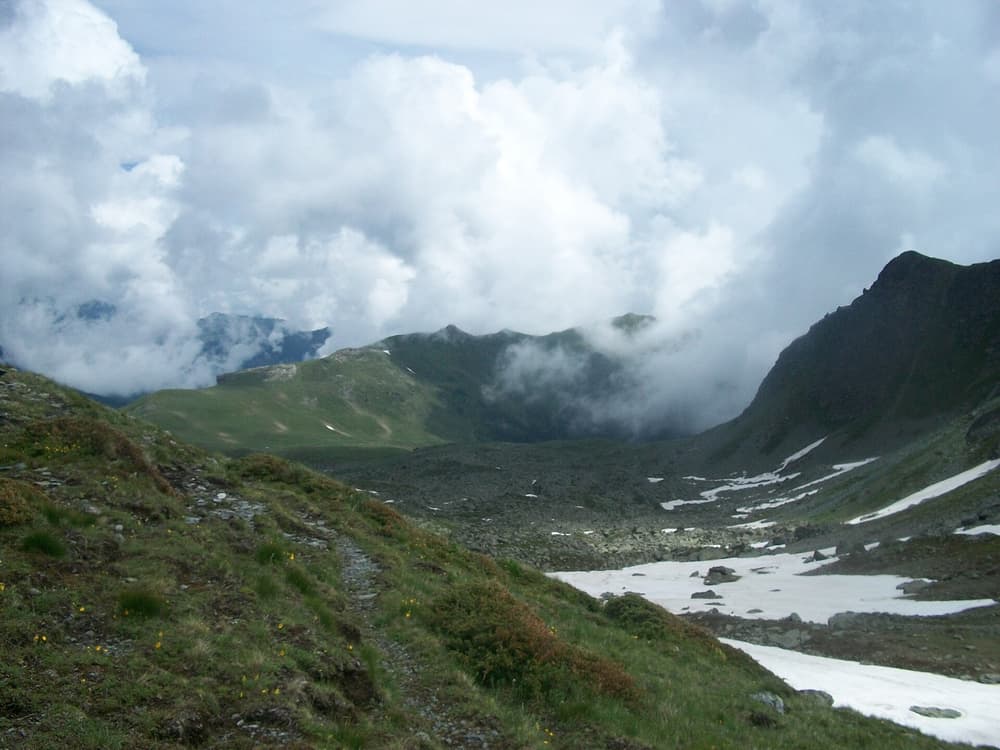
Visitors generally report feeling safe and welcome. Use normal precautions in towns. The main points to bear in mind are road safety, changeable mountain weather, and the possibility of tension in northern Kosovo, including Mitrovica. Mines and unexploded ordnance from the 1990s have largely been cleared, but in the mountains and remote areas you should stay on established paths. Always read your government’s current travel advice.
Etiquette
- Cover shoulders and knees in mosques, monasteries and churches, and remove shoes in mosques.
- People are hospitable: accept a coffee or tea if you are offered one.
- The war and the status of Kosovo are sensitive subjects. Use care with place names and with opinions.
- Ask before photographing people, and never photograph security forces or their positions.
Health
Travel insurance with medical cover is strongly recommended; check that your policy covers Kosovo. Pharmacies are common in towns. Tap water is drunk by many people in the main towns, but many visitors prefer bottled water. Air quality can be poor in winter.
Connectivity
Mobile coverage is good in towns and thinner in the mountains. Wi-Fi is everywhere in cafés. Kosovo is outside EU roaming, so check your tariff; a local SIM or an eSIM is often cheaper.
Food and drink
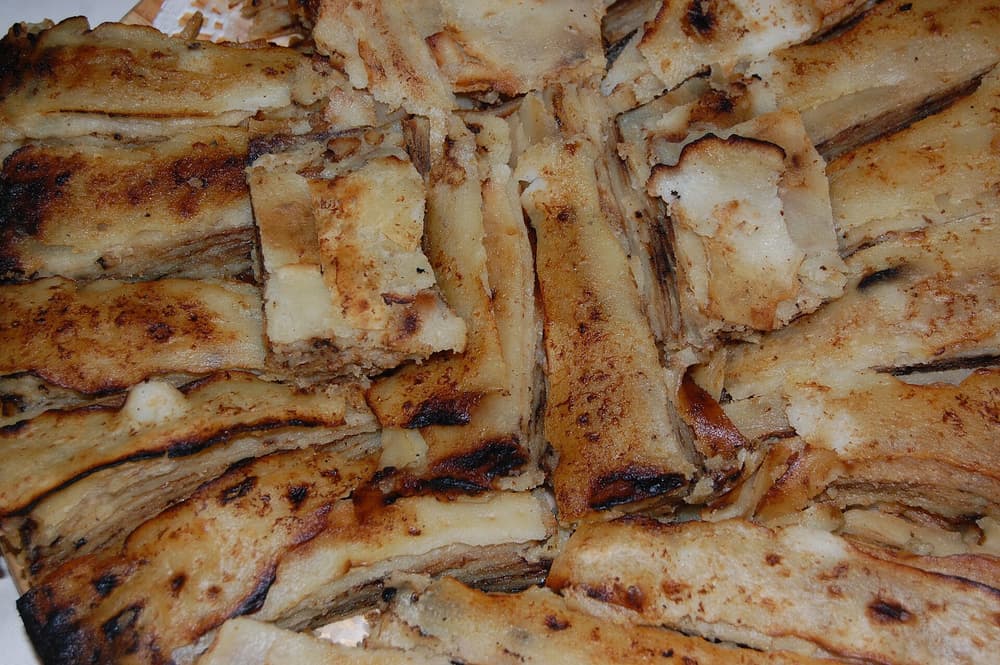
Do not miss flija, a layered pastry baked slowly under a metal lid, and byrek, the savoury pies sold everywhere. Grills serve qebapa and meat with ajvar pepper relish. Try tavë Prizreni in Prizren and Sharr cheese from the mountains. Coffee culture is serious: the macchiato is the national drink in all but name. Local Peja beer, raki and wines from around Rahovec are widely available.
Packing
Summer: light clothes, a sun hat and a light jacket for the evenings. Spring and autumn: layers and a rain jacket. Winter: warm clothes and boots. All year: good shoes for cobbles, and modest clothing for religious sites.
Accessibility
Modern boulevards in Pristina are relatively easy to get around, but old towns have cobbles and uneven surfaces, and many sites have steps. Contact hotels in advance about step-free rooms.
Where to stay
For bases and hand-picked hotels in every destination, see Where to stay in Kosovo.